
Mixing prints and patterns can create stylish, eye-catching outfits and dynamic interior designs when done thoughtfully. The key to success lies in balance, intentionality, and understanding how different elements work together.
1. Start with a Neutral Base
- Use neutral colors like black, white, beige, or gray as a foundation. A neutral backdrop (in clothing or interiors) can anchor the look and prevent it from feeling overwhelming.
2. Choose a Common Color Palette
- Select prints and patterns that share at least one color to create harmony.
- Example: Pair a striped top with a floral skirt, both featuring shades of blue.
3. Mix Patterns of Different Scales
- Combine large-scale patterns with smaller-scale ones to balance the visual impact.
- Example: A bold, oversized floral print can pair well with a subtle, small polka-dot design.
4. Balance Bold and Subtle Prints
- Pair a dominant, attention-grabbing print with a more understated one to avoid visual overload.
- Example: A vivid geometric pattern complements a soft pinstripe design.
5. Use a Unifying Neutral or Solid Piece
- Break up prints with a solid-colored piece to create a cohesive look.
- Example: A bright patterned blouse and printed pants can be tied together with a solid-colored blazer or belt.
6. Stick to Two or Three Patterns
- Limit the number of prints to avoid clutter. Two prints are ideal for beginners, while three can work with careful coordination.
7. Play with Similar Patterns in Different Styles
- Experiment with the same type of pattern in varied forms, like combining wide stripes with thin ones or abstract florals with realistic ones.
- Example: Pair a chevron print with traditional horizontal stripes.
8. Incorporate Texture and Layers
- Mixing textures, such as lace, denim, or knitwear, alongside patterns adds depth without overwhelming the overall look.
9. Experiment with Accessories
- Introduce patterns through accessories like scarves, bags, or shoes for a subtle touch.
- Example: A leopard-print clutch paired with a striped dress adds interest without overpowering the outfit.
10. Don’t Be Afraid of Contrast
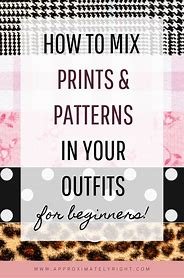
- Bold contrasts can create a striking and fashionable statement. Combine unexpected pairings, like animal prints with polka dots or plaid with florals.
- Confidence is key when working with high-contrast patterns.
11. Use Pattern Categories Wisely
- Classic Prints: Stripes, polka dots, and checks are versatile and easy to pair with more complex patterns like florals or abstract designs.
- Animal Prints: Work as neutrals and pair well with bold colors or other understated patterns.
- Geometric Prints: Often pair well with organic designs, like florals, for a modern look.
12. Trial and Error is Key
- Experiment by laying out your choices or trying them on together to see what works best. Trust your eye and adjust as needed.
13. Patterns in Interiors
- Layer Rugs: Combine a large patterned area rug with a smaller one featuring complementary designs.
- Use Accent Pieces: Pillows, curtains, or throws with varied prints can add interest to a neutral room.
- Wallpapers and Fabrics: Balance bold wall patterns with subtler furnishings, or vice versa.
14. Confidence and Comfort Matter
- The most important element in mixing prints and patterns is wearing or displaying them with confidence. If it feels right to you, it will come across as intentional and stylish.