Dressing for a job interview is an important opportunity to make a positive first impression. The right outfit can convey professionalism, respect, and an understanding of the company’s culture. While specific attire may vary depending on the industry and company
1. Understand the Company’s Dress Code
Before selecting your outfit, research the company’s culture and dress code. This will help you gauge whether the workplace is formal, business casual, or more relaxed.
- Corporate/Traditional Industries (e.g., finance, law, banking): Opt for more formal attire, such as a suit or business professional clothing.
- Creative/Tech Industries (e.g., advertising, startups, IT): Business casual attire may be appropriate, such as a button-up shirt and slacks or a smart blouse.
- Casual Industries (e.g., retail, hospitality): Depending on the role, you may be able to dress more casually, but it’s still important to appear neat and put-together.
2. Choose Professional and Neat Clothing
No matter the industry, your clothes should always look clean, pressed, and fit well. Avoid clothing that is too tight, too loose, or wrinkled.
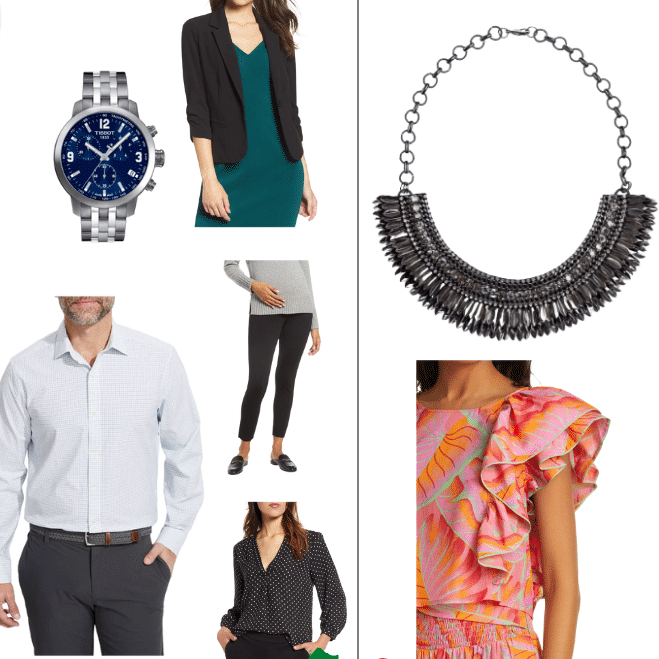
- For Men: A well-fitting suit in a neutral color like navy, gray, or black is a safe bet for most interviews. Pair it with a button-down shirt, a tie (optional depending on the industry), and polished shoes.
- For Women: A business suit, dress, or blouse with tailored pants or a pencil skirt is usually appropriate. Stick to solid or muted colors like black, navy, or beige. Avoid overly flashy or revealing outfits.
3. Pay Attention to Grooming and Accessories
Personal grooming is key to presenting yourself as polished and professional.
- Hair: Ensure your hair is clean, tidy, and neatly styled. Avoid overly elaborate hairstyles or colors that might be distracting.
- Nails: Clean, trimmed nails are a must. If you wear nail polish, opt for neutral or clear polish to keep the look professional.
- Accessories: Keep jewelry minimal and conservative. Avoid large or flashy pieces. A wristwatch and small earrings are generally good choices.
- Cologne/Perfume: Use scent sparingly. Strong fragrances can be distracting or off-putting, so it’s best to avoid heavy perfumes or colognes.
4. Consider Footwear
Shoes should complement your outfit and be in good condition. Avoid wearing overly casual footwear like sneakers or sandals unless the company culture specifically allows it.
- For Men: Oxfords, brogues, or loafers in black or brown leather are appropriate choices.
- For Women: Closed-toe pumps, flats, or low heels are ideal. Avoid overly high heels or sandals.
5. Be Mindful of Fit and Comfort
It’s essential to choose clothes that fit you well and allow you to feel comfortable. If you’re uncomfortable in your clothes, it can affect your confidence and body language during the interview. Ensure you can move freely, sit comfortably, and feel at ease.
6. Avoid Distracting Patterns or Colors
Keep your outfit simple and professional, avoiding overly bold patterns, bright neon colors, or anything that might divert attention from you as the candidate. Stick to solid or subtle patterns.
- Men: Stick to solid or conservative patterns (like stripes or checks) on shirts and ties. Neutral-colored suits work best.
- Women: If you choose a patterned blouse or dress, keep it subtle (e.g., light stripes or small prints). Avoid anything too loud or distracting.
7. Carry a Professional Bag
Bring a professional bag or portfolio to carry your resume, cover letter, and any other necessary documents. A clean, structured briefcase, a leather or high-quality fabric handbag, or a slim portfolio works best.
8. Be Prepared for the Climate
If you’re interviewing during hot weather, choose lighter fabrics like cotton or linen, but still ensure that the outfit is professional. In colder weather, layer appropriately, such as with a tailored coat or jacket, but avoid anything too bulky or informal (like a hoodie or casual winter coat).
9. Plan for Virtual Interviews (If Applicable)
If your interview is virtual, your outfit still matters. Choose an outfit that is business-appropriate from the waist up. Check that the top you wear is free from wrinkles, and avoid bright or busy patterns that could be distracting on camera. Also, make sure the background and lighting are appropriate to give a professional impression.
Example Outfits for Different Industries
1. Corporate/Traditional (Finance, Law, Banking)
- Men: Dark suit, light-colored shirt, conservative tie, black dress shoes, minimal accessories (e.g., watch).
- Women: Dark suit or pencil skirt with a blouse, closed-toe shoes, minimal jewelry, and a professional handbag.
2. Creative/Tech (Advertising, Startups, IT)
- Men: Blazer with smart trousers or dress pants, collared shirt (tie optional), loafers or dress shoes.
- Women: Tailored dress or blouse with skirt/pants, smart flats or low heels, subtle jewelry.
3. Casual/Service Industries (Retail, Hospitality)
- Men: Neat dress shirt or polo, dress pants or chinos, loafers or clean shoes.
- Women: Modest dress, blouse with slacks or a skirt, flats or low heels.
Final Tips:
- Be confident: Dressing appropriately for the interview shows that you care about the opportunity and respect the company’s culture. It can also help you feel more confident and ready to present your best self.
- Test your outfit: Try on your outfit before the interview to ensure everything fits well, is comfortable, and is appropriate. Pay attention to details like wrinkles, buttons, and zippers.
- Bring a backup: If you’re unsure about your outfit or anticipate issues (such as potential stains), it can be helpful to bring a backup shirt or blazer with you.
By dressing appropriately for a job interview, you convey professionalism, attention to detail, and respect for the opportunity. Whether the dress code is business formal or business casual, your appearance will help set the tone for the interview and contribute to making a positive first impression.