
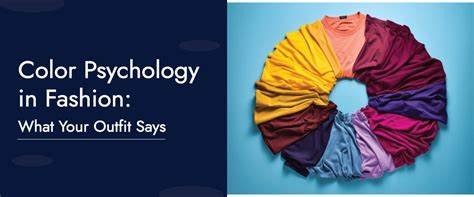
The psychology of color in fashion explores how different colors evoke emotional responses and influence perceptions, behaviors, and interactions. Colors have a powerful effect on our mood, self-esteem, and how others perceive us, making them a key element in fashion design and personal style
1. The Basics of Color Psychology
Color psychology is based on the idea that colors can influence our emotions, behaviors, and even physiological responses. This stems from both cultural associations and innate psychological reactions to certain hues. When applied to fashion, the right color choice can project confidence, warmth, authority, calmness, or creativity, depending on the desired effect.
2. The Impact of Color in Fashion
Red: Energy, Passion, and Confidence
- Emotional Response: Red is a bold, dynamic color that symbolizes passion, energy, and excitement. It can increase heart rates and blood pressure, making it an attention-grabbing color.
- Perceptions: Wearing red can convey confidence, power, and assertiveness. It’s often associated with love and desire but can also suggest danger or aggression in some contexts.
- Best for: Special occasions, dates, presentations, or situations where you want to make a strong impact.
- Pairing Tips: Red can be paired with neutral tones (like black, white, or beige) for balance, or combined with other bold colors for a daring look.
Blue: Calm, Trustworthy, and Professional
- Emotional Response: Blue is often associated with calmness, serenity, and trust. It is a color that evokes feelings of stability and peace.
- Perceptions: People perceive blue as a color of authority, professionalism, and reliability. It’s often seen as safe and non-threatening, which is why it’s a popular choice for corporate and business attire.
- Best for: Job interviews, formal events, work settings, and situations where you want to project competence and trustworthiness.
- Pairing Tips: Navy and dark blues convey professionalism, while lighter blues can evoke relaxation. Pair blue with other cool tones for a soothing effect or with warm colors like yellow or coral for contrast.
Yellow: Optimism, Creativity, and Happiness
- Emotional Response: Yellow is associated with joy, optimism, and creativity. It’s a stimulating and uplifting color that can evoke happiness and excitement.
- Perceptions: Yellow grabs attention and can make the wearer seem more approachable and friendly. However, too much yellow can feel overwhelming or anxiety-inducing.
- Best for: Creative environments, casual outings, or when you want to express positivity and energy.
- Pairing Tips: Pair yellow with neutral colors like white, gray, or black to avoid it becoming too intense. Soft, pastel yellows can be more subtle, while bright yellow can be bold and playful.
Green: Balance, Growth, and Nature
- Emotional Response: Green is the color of nature, symbolizing growth, harmony, and renewal. It has a calming and balancing effect, promoting feelings of peace and well-being.
- Perceptions: Green is also associated with wealth, health, and fertility. Darker shades of green (like forest green) can convey luxury and sophistication, while lighter greens (like mint or sage) feel fresh and peaceful.
- Best for: Relaxed settings, health-related environments, or when you want to project a sense of calm and balance.
- Pairing Tips: Green works well with other earth tones like brown and beige. For a bolder look, green can be paired with yellow, blue, or even pink for a lively combination.
Black: Power, Elegance, and Mystery
- Emotional Response: Black is a color of power, sophistication, and mystery. It has a slimming effect and often conveys authority, elegance, and formality.
- Perceptions: Black is commonly used in formal and professional settings, as it suggests seriousness and professionalism. It can also evoke a sense of rebellion or sophistication depending on how it’s styled.
- Best for: Formal events, professional attire, interviews, and elegant evening wear.
- Pairing Tips: Black is versatile and pairs well with almost any color. It can create a sleek, minimalist look when worn head-to-toe, or serve as a backdrop to bold, bright accessories for contrast.
White: Purity, Simplicity, and Freshness
- Emotional Response: White symbolizes purity, simplicity, and cleanliness. It has a light, airy feel and can evoke feelings of freshness, peace, and new beginnings.
- Perceptions: White is associated with clarity, neutrality, and innocence. It’s a classic choice for weddings and formal events, but also a staple in minimalist fashion.
- Best for: Weddings, summer wear, and minimalistic or clean designs.
- Pairing Tips: White is easy to pair with any color and can act as a neutral base to make other colors stand out. Add gold or silver accessories for a touch of luxury.
Purple: Luxury, Creativity, and Mystery
- Emotional Response: Purple is often associated with royalty, luxury, and spirituality. It has a rich and exotic feel that combines the calmness of blue with the energy of red.
- Perceptions: Purple can evoke creativity, imagination, and prestige. Lighter purples (like lavender) feel soft and romantic, while deep purples (like plum) convey sophistication and richness.
- Best for: Creative professions, artistic environments, or when you want to convey a sense of luxury and originality.
- Pairing Tips: Purple pairs beautifully with both warm and cool tones, depending on the shade. Pair it with gold for a luxurious effect or combine it with lighter hues like gray or white for balance.
Pink: Femininity, Compassion, and Playfulness
- Emotional Response: Pink is often seen as a nurturing and compassionate color. It is linked to femininity, sweetness, and warmth, with different shades evoking different moods.
- Perceptions: Lighter pinks convey softness and tenderness, while darker shades (like fuchsia or magenta) feel more vibrant and bold. Pink is often used to project a friendly, approachable, and caring image.
- Best for: Casual wear, romantic settings, or when you want to express warmth and playfulness.
- Pairing Tips: Pink works well with neutrals like white, black, and gray. For a bold statement, pair it with contrasting colors like navy, green, or metallics.
Orange: Enthusiasm, Confidence, and Playfulness
- Emotional Response: Orange is a warm, energetic color that stimulates excitement and enthusiasm. It is often seen as a fun and playful color.
- Perceptions: Wearing orange can make you appear confident, approachable, and outgoing. It’s often used to grab attention and make a statement.
- Best for: Casual settings, social events, or when you want to project fun, creativity, and a sense of adventure.
- Pairing Tips: Pair orange with neutral tones like beige, white, or gray for balance. For a bold look, try mixing it with blue or purple for a striking contrast.
3. Cultural and Contextual Considerations
- Colors can have different meanings across cultures. For example, while white symbolizes purity and peace in many Western cultures, it is associated with mourning in some Asian cultures.
- The context of the occasion also affects how colors are perceived. For example, black might be seen as elegant for a formal event but could be interpreted as mourning at a funeral.
4. Using Color to Express Your Personality
Your clothing choices are a form of self-expression, and color plays a key role in showcasing your personality:
- Bold and Outgoing: Choose bright and bold colors like red, orange, or fuchsia to express confidence and extroversion.
- Calm and Reliable: Blues and greens are great choices for those who want to project calmness, trustworthiness, and balance.
- Creative and Unique: Purple, yellow, and other unexpected colors can showcase individuality and creative flair.
Conclusion
The psychology of color in fashion is a powerful tool to enhance self-expression, influence how you feel, and shape how others perceive you. By understanding the emotional and psychological effects of different colors, you can make more intentional clothing choices that align with your mood, personality, and the impression you want to leave. Whether dressing for a job interview, a night out, or a casual day, the right color can elevate your style and send a message without words.