
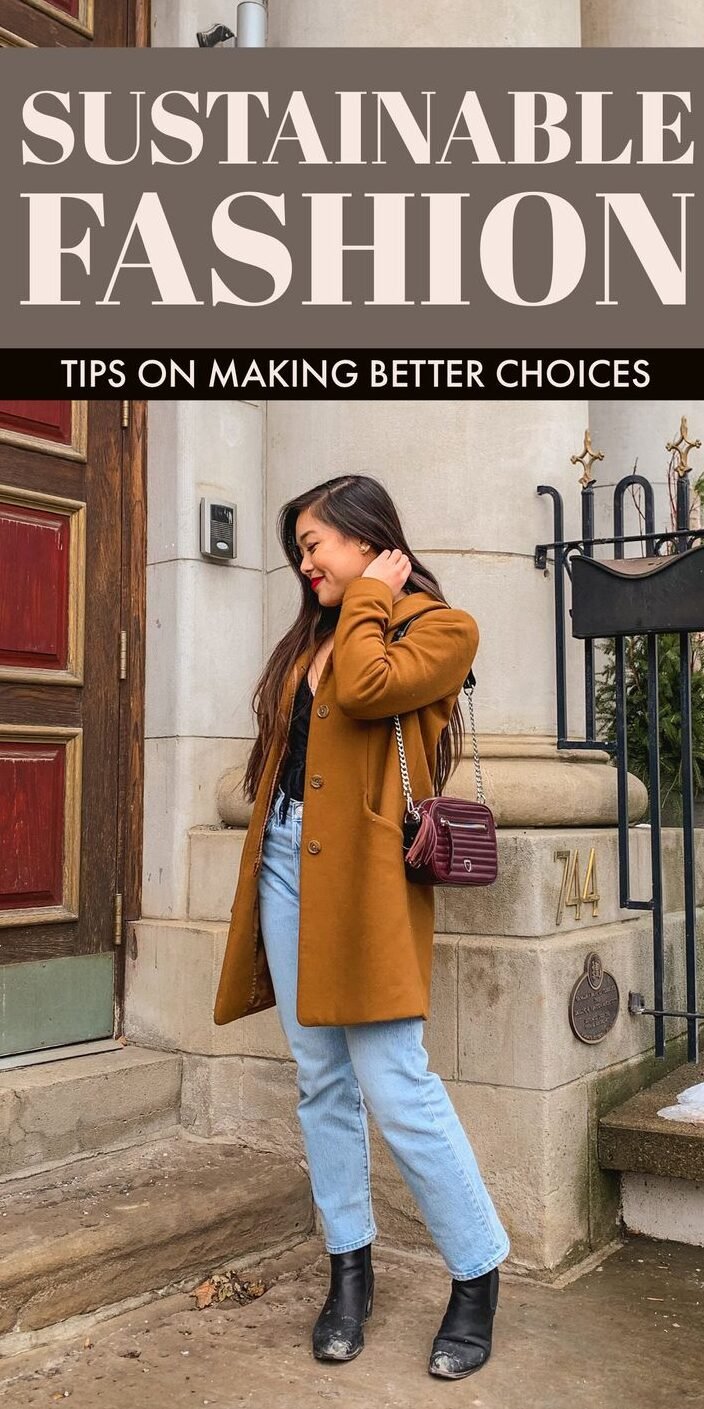
Sustainable fashion is an approach to clothing production and consumption that prioritizes environmental and ethical considerations. With the fashion industry being one of the largest polluters in the world, adopting more sustainable practices can help reduce the negative impact on the planet while promoting fairness and equity within the industry. Sustainable fashion choices can range from buying eco-friendly brands to embracing second-hand clothing, and even altering your shopping habits to reduce waste.
1. Buy Less, Choose Wisely
- Quality over Quantity: Instead of buying numerous fast fashion items, invest in fewer, high-quality pieces that will last longer. These items may cost more upfront but will save money in the long run and reduce waste.
- Actionable Step: Look for durable, timeless items made from high-quality materials like organic cotton, wool, linen, or recycled fabrics.
- Timeless Pieces: Opt for versatile, classic designs that won’t go out of style. A well-curated wardrobe of staple items, such as tailored blazers, jeans, and plain tees, can mix and match easily, reducing the need to purchase trendy pieces each season.
- Actionable Step: Focus on investing in items that can be worn for various occasions and seasons, which reduces the need for excessive purchases.
2. Shop Second-Hand and Vintage
- Thrift Shopping: Shopping at thrift stores or online second-hand platforms helps extend the life cycle of clothing and reduces the demand for new garments. Vintage clothing is also often unique and made with more durable materials than many modern mass-produced items.
- Actionable Step: Explore local thrift shops, online marketplaces like Depop or Poshmark, or consider swapping clothes with friends and family.
- Pre-Loved Fashion: Many luxury brands and designers have preloved or second-hand collections that are certified and curated, giving you access to high-quality garments at a fraction of the original price.
- Actionable Step: Look for certified second-hand retailers that specialize in pre-loved luxury or designer items.
3. Opt for Eco-Friendly and Ethical Brands
Many fashion brands are moving toward sustainability by using eco-friendly materials, ethical labor practices, and transparent production methods. When choosing new items, consider supporting brands that prioritize environmental impact and social responsibility.
- Sustainable Materials: Look for clothing made from organic or recycled materials, such as organic cotton, hemp, bamboo, or fabrics made from recycled polyester or nylon. These materials tend to use fewer chemicals and require less water during production.
- Actionable Step: Research brands that focus on using eco-friendly fabrics and ethical production methods, like Patagonia, Reformation, or Stella McCartney.
- Fair Trade and Ethical Labor: Ethical fashion brands ensure that workers receive fair wages, work in safe conditions, and are treated with respect. Look for certifications like Fair Trade, GOTS (Global Organic Textile Standard), or B Corp certification to ensure ethical labor practices.
- Actionable Step: Support brands that are certified by organizations that prioritize worker rights and fair wages, such as Fair Trade or the Ethical Trading Initiative.
4. Repurpose, Repair, and Recycle
- Repurpose Clothing: If you have items you no longer wear, think creatively about how to repurpose them. This could involve turning old t-shirts into rags, cutting up jeans to make shorts, or even making accessories out of old clothes.
- Actionable Step: Before discarding clothes, consider DIY projects to update or transform them into something new.
- Repair Garments: Instead of throwing away damaged items, try repairing them. This can extend the life of your clothes and reduce waste.
- Actionable Step: Learn basic sewing skills or take your garments to a tailor to fix small rips, replace buttons, or hem items that no longer fit.
- Recycling: If your clothes are beyond repair, consider recycling them. Many brands and organizations have textile recycling programs that can turn your old clothes into new materials.
- Actionable Step: Research local textile recycling programs or participate in brands’ recycling initiatives (e.g., H&M’s garment collection program).
5. Choose Natural and Eco-Friendly Fabrics
- Organic Cotton: Conventional cotton farming uses large amounts of pesticides and water, which can harm the environment. Organic cotton is grown without synthetic pesticides and uses fewer chemicals, making it a more eco-friendly option.
- Linen and Hemp: Linen, made from the flax plant, and hemp are both sustainable and biodegradable fabrics that require minimal water and chemicals to grow. These fabrics are durable and have a natural, timeless appeal.
- Tencel/Lyocell: Tencel is made from sustainably sourced wood pulp (often from eucalyptus trees) and is processed in a closed-loop system that minimizes waste and chemicals. It’s biodegradable and soft on the skin.
- Recycled Fabrics: Recycled polyester, nylon, and wool are made from post-consumer waste like plastic bottles or discarded textiles, reducing the need for virgin materials and decreasing landfill waste.
6. Adopt a Capsule Wardrobe
A capsule wardrobe is a minimalist approach to fashion, where you curate a small, versatile collection of clothing that can be mixed and matched to create a variety of outfits. This reduces the need for frequent purchases and ensures that everything you own is being worn regularly.
- Curate Your Essentials: Focus on a small number of high-quality pieces that you love and wear often, such as a couple of pairs of jeans, a few shirts, and versatile outerwear.
- Seasonal Adjustments: Swap out seasonal items (e.g., coats, sweaters) to keep your wardrobe manageable and ensure you’re wearing everything in rotation.
7. Rent or Borrow Clothes
Renting clothes for special occasions or borrowing items from friends and family is a great way to enjoy new styles without committing to a full purchase.
- Rent for Special Occasions: Renting clothes, especially for one-time events like weddings or parties, allows you to wear high-end pieces without purchasing them.
- Actionable Step: Use clothing rental services like Rent the Runway, HURR Collective, or MyWardrobeHQ for special events or new wardrobe additions.
- Borrow from Friends: Share clothing with friends for special occasions, vacations, or when you need something specific but don’t want to buy it.
- Actionable Step: Start a clothing swap group with friends or family to share and borrow items in need.
8. Support Slow Fashion
Slow fashion is the antithesis of fast fashion and advocates for producing clothing that is durable, made with ethical labor practices, and carefully crafted to stand the test of time. Slow fashion values craftsmanship and aims to reduce waste and the rapid cycle of trends.
- Invest in Craftsmanship: Look for garments that are handmade or crafted by artisans who focus on quality rather than mass production.
- Research Small Brands: Many small, independent brands produce sustainable fashion with a focus on slow production methods, creating unique pieces that prioritize quality and longevity.
9. Mindful Washing and Care
How you care for your clothes can extend their life and minimize environmental damage. For example, washing clothes too frequently or in hot water can wear them out quickly and contribute to water pollution.
- Wash Less Often: To preserve clothing and reduce water waste, wash clothes only when necessary. Air dry items whenever possible instead of using a dryer.
- Actionable Step: Practice good garment care by following the care instructions on labels and investing in a laundry bag (such as the Guppyfriend bag) that captures microplastics during washing.
- Use Eco-Friendly Detergents: Opt for biodegradable and non-toxic laundry detergents that are gentle on your clothes and the environment.
10. Educate Yourself on Sustainability
- Learn About the Industry: Understanding the environmental and social impacts of fast fashion can help you make more informed decisions. The more you know about the challenges the industry faces, the more you can contribute to positive change.
- Actionable Step: Follow documentaries, read articles, or take courses about sustainable fashion to stay informed about the industry’s impact and how you can contribute to solutions.
* Conclusion *
Making sustainable fashion choices involves being conscious about how and what you consume. By focusing on quality, supporting ethical and eco-friendly brands, embracing second-hand clothing, and adopting mindful fashion habits, you can reduce your environmental footprint while still expressing your unique style. Small, intentional steps can make a significant impact, and as more people prioritize sustainability, the fashion industry as a whole can shift toward more responsible production and consumption practices.