
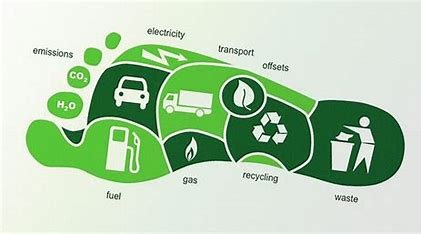
Reducing your carbon footprint is an important step toward mitigating climate change and preserving the environment. Small changes in your daily routine can add up to a significant reduction in your overall environmental impact. By making mindful decisions about what you consume, how you travel, and how you manage your resources, you can help lower your personal carbon emissions.
1. Adopt Energy-Efficient Practices at Home
- Switch to LED Bulbs: LED bulbs use less energy and last longer than traditional incandescent bulbs, helping you save on electricity while reducing your carbon footprint.
- Unplug Devices: Unplug electronics and chargers when they’re not in use. Devices left plugged in consume energy even when turned off, a phenomenon known as “phantom” energy use.
- Use Energy-Efficient Appliances: Invest in energy-efficient appliances, like refrigerators, washing machines, and air conditioners, that consume less power.
- Use Smart Thermostats: A smart thermostat can help you control heating and cooling more efficiently, reducing energy consumption.
- Seal Windows and Doors: Insulating your home better by sealing windows and doors can keep your home warmer in winter and cooler in summer, reducing the need for heating and cooling.
2. Change Your Transportation Habits
- Walk, Bike, or Use Public Transport: Walking, biking, or taking public transit is far more eco-friendly than driving a car. Public transport, in particular, reduces the number of vehicles on the road and lowers overall emissions.
- Carpool or Share Rides: If driving is necessary, carpooling with others helps reduce the number of cars on the road and lowers per-person emissions.
- Drive Fuel-Efficient or Electric Cars: If you need to drive, consider a hybrid or electric vehicle (EV) to reduce your carbon emissions. Electric cars produce zero emissions and are much more energy-efficient than gasoline-powered vehicles.
- Combine Errands: Plan your trips to avoid unnecessary driving. By grouping errands together, you can save time, money, and fuel.
- Consider Remote Work or Virtual Meetings: If possible, working from home or participating in virtual meetings can significantly reduce the carbon emissions associated with commuting.
3. Conserve Water
- Fix Leaks: A leaky faucet or running toilet can waste gallons of water over time, leading to unnecessary water treatment and heating. Fixing leaks can help conserve both water and energy.
- Take Shorter Showers: Reducing the length of your showers can save significant amounts of water. Additionally, using a low-flow showerhead can help conserve water without sacrificing comfort.
- Use Energy-Efficient Water Heating: Install a water heater timer or switch to an energy-efficient water heater to reduce energy use when heating water.
- Water Plants Wisely: Watering your garden in the early morning or late evening helps reduce evaporation and water waste. Consider using a rain barrel to collect rainwater for irrigation.
4. Reduce, Reuse, and Recycle
- Reduce Single-Use Plastics: Use reusable bags, bottles, containers, and utensils to minimize your consumption of disposable plastics. Avoid products with excessive plastic packaging whenever possible.
- Recycle Properly: Sort and recycle paper, glass, plastics, and metal products according to local recycling guidelines. Be sure to rinse containers before recycling to avoid contamination.
- Buy Secondhand Items: Purchasing secondhand items reduces the demand for new products and helps keep things out of landfills. Thrift stores, online marketplaces, and garage sales are great sources for finding used goods.
- Repurpose and Repair: Before throwing something away, consider whether it can be repurposed, repaired, or upcycled into something useful. This helps keep items in circulation longer and prevents waste.
5. Opt for Sustainable Food Choices
- Eat Less Meat: The production of meat, particularly beef and lamb, is resource-intensive and contributes significantly to carbon emissions. Reducing your meat consumption or opting for plant-based meals can lower your carbon footprint.
- Choose Locally Grown, Seasonal Produce: Eating locally grown food reduces emissions from transportation. Seasonal produce also has a smaller environmental footprint compared to out-of-season items that have been imported.
- Grow Your Own Food: If you have the space, consider growing your own vegetables or herbs. Homegrown food doesn’t require transportation or packaging, reducing its carbon footprint.
- Avoid Food Waste: Plan your meals, store food properly, and eat leftovers to minimize food waste. Composting food scraps is also a great way to reduce landfill waste and create nutrient-rich soil for your garden.
- Support Sustainable Brands: Look for products that are organic, fair-trade, or sustainably sourced. Brands that prioritize sustainability use fewer pesticides, promote ethical practices, and help reduce the environmental impact of agriculture.
6. Minimize Waste
- Buy Less, Choose Quality: Opt for high-quality, long-lasting products rather than cheap, disposable items. The longer an item lasts, the less waste you’ll generate.
- Repair Rather Than Replace: If an item breaks, consider repairing it rather than discarding it. Many things, from clothing to electronics, can be fixed with a little effort.
- Avoid Fast Fashion: The fashion industry is one of the largest contributors to pollution and waste. By buying fewer clothes and choosing sustainable fashion brands, you can reduce your carbon footprint and encourage ethical practices in the fashion world.
7. Support Renewable Energy
- Switch to Green Energy Providers: Many utility companies now offer green energy plans that use renewable sources like wind and solar power. Consider switching to a green energy provider to reduce your reliance on fossil fuels.
- Install Solar Panels: If you own your home and have the budget, installing solar panels can significantly reduce your carbon footprint by providing renewable energy for your household.
- Use Solar-Powered Devices: For small-scale energy needs, consider solar-powered chargers, lights, or other devices to reduce your energy consumption from non-renewable sources.
8. Make Eco-Friendly Purchases
- Buy Eco-Friendly Products: Look for products made from sustainable materials, such as bamboo, recycled paper, or biodegradable plastics. Products with certifications like “Fair Trade” or “Energy Star” tend to have a lower environmental impact.
- Choose Products with Minimal Packaging: Choose items with minimal or recyclable packaging to reduce the waste you generate. Avoid products that use excessive plastic packaging or non-recyclable materials.
9. Offset Your Carbon Emissions
- Invest in Carbon Offsets: If your lifestyle requires travel or other activities that produce emissions, you can offset your carbon footprint by investing in carbon offset programs. These programs fund projects that reduce emissions, such as tree planting or renewable energy initiatives.
- Support Reforestation Projects: Planting trees or contributing to reforestation initiatives helps absorb carbon dioxide from the atmosphere, balancing out the emissions you can’t avoid.
Conclusion: Small Changes, Big Impact
Reducing your carbon footprint doesn’t require drastic changes to your lifestyle. By adopting eco-friendly practices in your daily routine, you can significantly reduce your environmental impact. Even small changes, like using energy-efficient appliances, reducing meat consumption, and minimizing waste, can collectively make a big difference. The key is consistency—by making mindful, sustainable choices in your everyday life, you can contribute to the global effort to combat climate change and create a cleaner, greener planet for future generations.