
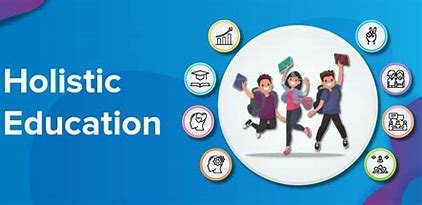
Holistic education plays a crucial role in promoting children’s overall health and well-being. It focuses on the development of the whole child, addressing their physical, mental, emotional, social, and spiritual needs
1. Physical Health
- Nutrition Education: Holistic education includes teaching children about the importance of healthy eating habits and proper nutrition, which can help prevent obesity and other health issues.
- Physical Activity: Schools that incorporate holistic education emphasize physical activity through regular exercise, sports, and outdoor play, promoting physical fitness and motor skills development.
- Health Awareness: Children learn about personal hygiene, disease prevention, and healthy lifestyle choices, leading to better health outcomes.
2. Mental Health
- Stress Reduction: Holistic education incorporates practices such as mindfulness, meditation, and relaxation techniques to help children manage stress and anxiety.
- Cognitive Development: Engaging and interactive learning experiences stimulate cognitive development and critical thinking skills.
- Creativity and Innovation: Encouraging creative expression through arts, music, and hands-on activities supports mental well-being and intellectual growth.
3. Emotional Health
- Emotional Intelligence: Holistic education fosters emotional intelligence by teaching children to recognize, understand, and manage their emotions.
- Positive Relationships: Emphasis on empathy, kindness, and cooperation helps children build strong, positive relationships with peers and adults.
- Self-Esteem and Confidence: Providing a supportive and nurturing environment helps children develop self-esteem and confidence in their abilities.
4. Social Health
- Social Skills: Holistic education promotes teamwork, communication, and conflict resolution skills, preparing children to navigate social interactions effectively.
- Community Engagement: Encouraging community involvement and service projects helps children develop a sense of responsibility and connection to their community.
- Cultural Awareness: Exposure to diverse cultures and perspectives fosters inclusivity and respect for others.
5. Spiritual Health
- Inner Awareness: Holistic education encourages children to explore their inner selves, fostering self-awareness and personal growth.
- Values and Ethics: Teaching values such as honesty, integrity, and compassion helps children develop a strong moral foundation.
- Sense of Purpose: Helping children discover their passions and interests gives them a sense of purpose and direction in life.
6. Lifelong Learning and Well-Being
- Growth Mindset: Holistic education instills a growth mindset, encouraging children to embrace challenges, learn from mistakes, and persist in the face of setbacks.
- Resilience: Developing resilience equips children with the ability to cope with life’s challenges and bounce back from adversity.
- Holistic Health: By addressing all aspects of a child’s development, holistic education lays the foundation for lifelong health and well-being.
Conclusion:
Holistic education plays a vital role in promoting children’s overall health by addressing their physical, mental, emotional, social, and spiritual needs. It creates a balanced and supportive environment that nurtures the whole child, leading to better health outcomes and a more fulfilling life.