
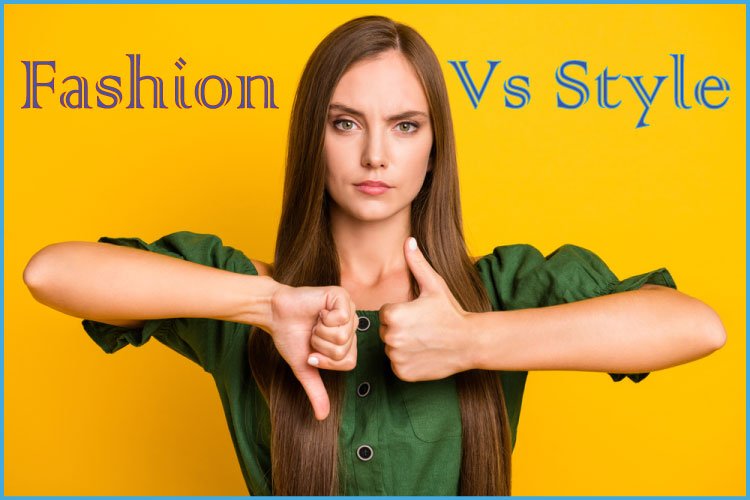
Fashion and style are personal expressions of individuality, creativity, and culture. While fashion typically refers to the current trends, designs, and clothing choices popular in a given season or year, style is more about how an individual personalizes these trends to reflect their personality, lifestyle, and taste. Together, fashion and style create an opportunity for self-expression and can be a powerful tool for confidence, empowerment, and identity.
1. Understanding Your Personal Style
Your personal style is an extension of your personality and values. It’s important to understand what you feel comfortable and confident in, as well as what aligns with your lifestyle. Here’s how to discover and refine your personal style:
- Assess Your Lifestyle: Consider your daily activities, work environment, and hobbies. Your style should cater to your needs—whether it’s professional, casual, or a balance of both.
- Actionable Step: Create a mood board or Pinterest board filled with styles you admire. Identify the common elements that speak to you—such as color, cuts, and textures.
- Embrace Comfort and Confidence: Fashion should not only look good but also feel good. Comfortable clothing can boost your confidence and make you feel more at ease in your own skin.
- Actionable Step: Take note of the clothing items you feel the best in—whether it’s soft fabrics, tailored fits, or certain silhouettes—and incorporate them into your wardrobe.
- Identify Your Style Archetypes: Style archetypes are categories or personas that reflect certain aesthetics. Some examples include:
- Bohemian: Free-spirited, flowing, eclectic patterns, and relaxed fits.
- Minimalist: Simple, clean lines, neutral colors, and functional pieces.
- Classic: Timeless pieces like trench coats, blazers, and polished looks.
- Edgy: Bold, unconventional, and often experimental with styles.
- Romantic: Soft fabrics, feminine silhouettes, floral patterns, and delicate details.
- Actionable Step: Reflect on what resonates with you from these archetypes and blend them to create your unique look.
2. Building a Versatile Wardrobe
A versatile wardrobe allows you to mix and match pieces, making it easy to create outfits for different occasions. The goal is to have a foundation of timeless items that can be dressed up or down.
- Essentials to Include:
- Tailored Blazer: A classic piece that can be paired with almost anything, from jeans to dresses.
- Little Black Dress (LBD): A wardrobe staple for evening events or formal occasions.
- Quality Denim: A good pair of jeans or trousers is the base of many casual looks.
- Neutral Basics: T-shirts, button-up shirts, and sweaters in neutral colors (white, black, gray, beige) are versatile and timeless.
- Comfortable Shoes: Choose shoes that can be worn all day, whether it’s a smart pair of flats, ankle boots, or clean sneakers.
- Actionable Step: Evaluate your current wardrobe and assess which basics you might be missing. Start by investing in high-quality pieces that you can wear across different seasons and occasions.
3. Fashion Trends and How to Incorporate Them
Fashion trends evolve with each season, influenced by various factors like runway shows, pop culture, and social media. While following trends can be fun, it’s important to adopt those that align with your personal style and lifestyle.
- Incorporate Trends Subtly: Instead of completely overhauling your wardrobe for every new trend, you can integrate small trendy pieces into your existing outfits. For example, if oversized blazers are trending, you can buy one and pair it with your classic pieces to add a fresh twist.
- Know When to Invest: Some trends are fleeting, while others may be more timeless. Invest in those that align with your style and will last for multiple seasons.
- Actionable Step: Choose one or two trendy items per season to experiment with and mix them with your classic staples.
4. Color and Texture in Fashion
Color and texture play a crucial role in expressing your personality and creating cohesive outfits.
- Color Palettes: Your color choices can drastically change the mood of your outfit. Some people prefer neutral tones for a sleek, minimalist look, while others love vibrant colors to make a statement.
- Actionable Step: Identify a color palette that complements your complexion and fits your style. You could opt for warm, cool, or neutral tones and experiment with different shades.
- Texture Mixing: Mixing different textures—like pairing a silk blouse with denim jeans or a chunky knit sweater with a leather skirt—adds dimension and interest to an outfit.
- Actionable Step: Try combining contrasting textures like velvet, leather, silk, or knitwear to elevate your outfits.
5. Accessories and Personal Touches
Accessories are the finishing touches that can elevate any outfit. They are a great way to express your individuality and make your outfits more interesting.
- Jewelry: Whether it’s bold statement pieces or delicate, minimalist designs, jewelry can reflect your style and personality.
- Bags and Shoes: A well-chosen bag or pair of shoes can be a key component in completing your look. Choose ones that are functional but also add flair to your ensemble.
- Scarves, Hats, and Belts: These accessories can add an extra layer of personality to your outfit. A scarf can soften a formal look, while a hat can make a casual outfit stand out.
- Actionable Step: Experiment with different accessories to find pieces that resonate with your style. Consider having a few go-to items that you can easily incorporate into various outfits.
6. The Importance of Fit
The fit of your clothing is crucial to looking and feeling good. Properly fitting clothes not only enhance your appearance but also boost your confidence.
- Tailoring: Sometimes, even off-the-rack clothing can benefit from a little tailoring. A slight adjustment to the length of trousers or the fit of a jacket can make a huge difference.
- Understanding Proportions: Balance is key when it comes to proportions. For example, if you’re wearing a voluminous top, pair it with slimmer pants or skirts to avoid looking overwhelmed by fabric.
- Actionable Step: Pay attention to the fit of your clothes. Have certain items tailored to fit your body more precisely, or experiment with sizing to find what flatters your shape best.
7. Seasonal Fashion
Adapting your wardrobe to the changing seasons allows you to stay comfortable while looking stylish. Each season brings new textures, colors, and layering possibilities.
- Spring/Summer: Lighter fabrics like cotton, linen, and chiffon are ideal for warmer weather. Bright colors, floral patterns, and breathable designs are popular for this time of year.
- Fall/Winter: Opt for heavier materials like wool, cashmere, and velvet. Layering becomes important, with jackets, scarves, and boots often featured prominently in cold-weather fashion.
- Actionable Step: As the season changes, review your wardrobe to ensure you have appropriate clothing. Add seasonal pieces like coats, hats, or swimwear to your collection.
8. Sustainability in Fashion
As fashion becomes increasingly conscious of environmental and ethical concerns, many people are choosing to buy sustainably.
- Invest in Quality: High-quality clothing may cost more upfront but tends to last longer, reducing the need for frequent replacements.
- Second-Hand and Vintage: Shopping in second-hand or vintage stores can be an affordable and eco-friendly way to add unique pieces to your wardrobe.
- Actionable Step: Consider shifting to more sustainable shopping habits, such as opting for eco-friendly brands or incorporating second-hand clothing into your wardrobe.
* Conclusion *
Fashion and style are dynamic expressions of yourself and offer endless possibilities for creativity. By understanding your personal style, experimenting with trends, investing in quality basics, and focusing on the right fit and accessories, you can curate a wardrobe that aligns with who you are and how you want to present yourself to the world. Whether you’re into classic, minimalist, or bold fashion choices, your style is ultimately about feeling confident, comfortable, and true to yourself.