
Mindfulness and meditation practices are powerful tools for improving mental health, reducing stress, and enhancing overall well-being. Both practices are rooted in focusing attention and becoming more aware of the present moment, but they offer unique benefits and approaches.
What is Mindfulness?
Mindfulness is the practice of being fully present and engaged in the current moment, without judgment. It involves paying attention to your thoughts, feelings, physical sensations, and the environment around you, with an open and accepting attitude. Mindfulness helps you to become more aware of your thoughts and feelings as they arise, allowing you to respond rather than react impulsively.
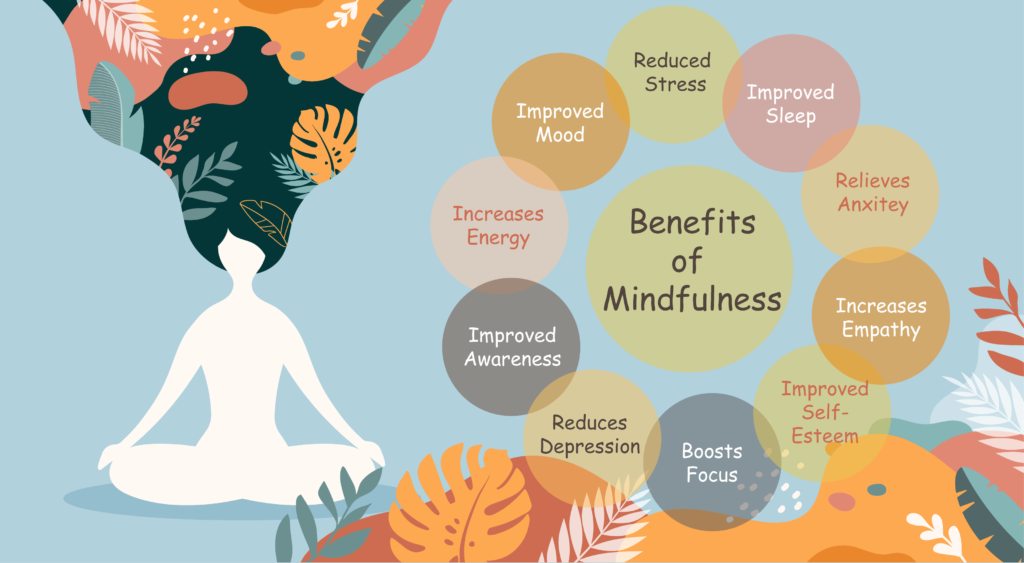
Benefits of Mindfulness
- Reduced Stress: Mindfulness helps lower cortisol levels (the stress hormone), which can reduce stress and anxiety.
- Improved Focus and Concentration: Practicing mindfulness can enhance your ability to concentrate on tasks and improve cognitive function.
- Better Emotional Regulation: Mindfulness increases emotional awareness, allowing you to better understand and manage your emotions, leading to greater emotional stability.
- Increased Resilience: Being mindful allows you to observe and detach from difficult thoughts or feelings, helping you cope more effectively with challenges.
- Improved Relationships: Mindfulness can improve communication and empathy in relationships by fostering a greater awareness of your own feelings and the feelings of others.
Ways to Practice Mindfulness
- Mindful Breathing: Focus on your breath and observe each inhale and exhale. If your mind wanders, gently bring it back to the sensation of your breath. This simple technique helps ground you in the present moment.
- Body Scan: Pay attention to different parts of your body, starting from your toes and moving up to your head. Notice any sensations, tension, or discomfort, and try to release it with each exhale.
- Mindful Eating: Take time to fully experience your food, paying attention to the taste, texture, and smell. Avoid distractions like TV or phones and savor each bite.
- Mindful Walking: Take a slow walk, paying attention to each step, the sensation of your feet touching the ground, and the sights and sounds around you.
- Mindful Listening: When in conversation, focus fully on the speaker without planning your response or getting distracted. Listen attentively and with compassion.
What is Meditation?
Meditation is a practice that involves focusing your mind in a specific way to achieve a mentally clear and emotionally calm state. While mindfulness can be practiced throughout daily activities, meditation typically involves setting aside dedicated time to sit quietly and concentrate on an object, sound, or breath. There are different forms of meditation, each with its own techniques and objectives.
Types of Meditation Practices
- Guided Meditation: Involves listening to a recorded guide or instructor who leads you through a meditation session. The guide may offer instructions on breathing, relaxation, or visualizations.
- Benefits: Ideal for beginners or those who prefer structure and guidance.
- Example: A guided meditation focusing on relaxation, releasing tension, or cultivating positive feelings like gratitude.
- Concentration Meditation: Focuses on a single point of attention, such as a mantra, a specific sound (like a bell or “Om”), a candle flame, or your breath.
- Benefits: Enhances concentration and clarity by training the mind to stay focused.
- Example: Repeating a calming word or phrase (mantra) and bringing your focus back to it each time your mind wanders.
- Loving-Kindness Meditation (Metta): Involves cultivating feelings of compassion and kindness toward yourself and others. You silently repeat phrases that express goodwill, such as “May I be happy, may I be healthy,” and then extend these wishes to loved ones, acquaintances, and even people you may have conflicts with.
- Benefits: Enhances empathy, reduces negative emotions like anger and resentment, and fosters a sense of connection with others.
- Example: Sending well wishes to yourself and others, such as “May you be at peace, may you live with ease.”
- Transcendental Meditation (TM): Involves the silent repetition of a specific mantra for 15–20 minutes twice a day. The goal is to reach a state of deep rest and alertness, allowing the mind to transcend ordinary thought and experience pure consciousness.
- Benefits: Promotes relaxation, reduces stress, and helps achieve a deep state of mental stillness.
- Example: Sitting with closed eyes and repeating a mantra quietly in your mind.
- Mindfulness Meditation: A combination of mindfulness and meditation, this practice involves sitting quietly and observing your thoughts, emotions, and physical sensations without judgment. The aim is to remain present and accepting of whatever arises, fostering a sense of awareness and non-attachment.
- Benefits: Helps develop mindfulness, emotional regulation, and a deeper awareness of the present moment.
- Example: Sitting in a comfortable position and observing the flow of your breath, thoughts, and feelings without engaging with them.
- Vipassana Meditation (Insight Meditation): Focuses on gaining insight into the nature of reality by observing bodily sensations and thoughts as they arise and pass away. This practice is rooted in Buddhist traditions.
- Benefits: Deepens understanding of the impermanent nature of thoughts and sensations, fostering a greater sense of peace and equanimity.
- Example: Observing the sensation of each breath, noticing any physical sensations, and reflecting on their impermanence.
Benefits of Meditation
- Stress Reduction: Meditation is widely recognized for its ability to reduce stress and induce relaxation. It activates the body’s parasympathetic nervous system, which promotes calmness and lowers heart rate and blood pressure.
- Improved Emotional Health: Regular meditation has been shown to reduce symptoms of depression and anxiety by promoting a balanced emotional state and greater emotional awareness.
- Increased Self-Awareness: Meditation helps individuals develop a deeper understanding of their thoughts, behaviors, and habits. It can lead to better self-reflection and a more mindful approach to life.
- Better Sleep: Meditation promotes relaxation and reduces the mental chatter that often interferes with sleep. It can be an effective tool for improving sleep quality and duration.
- Improved Focus and Concentration: Studies have shown that meditation enhances cognitive abilities like focus, attention, and memory. It helps train the mind to stay centered, which can improve performance in daily tasks.
- Pain Management: Meditation can help reduce the perception of pain by altering how the brain processes pain signals and fostering a greater sense of detachment from discomfort.
- Lower Blood Pressure: Meditation can help lower blood pressure, which is beneficial for overall cardiovascular health.
How to Start a Meditation Practice
- Set Aside Time: Start with just 5–10 minutes a day. As you get more comfortable, you can gradually extend the duration.
- Choose a Comfortable Spot: Find a quiet place where you won’t be disturbed. Sit comfortably with your back straight, whether on a chair, cushion, or floor.
- Focus Your Attention: Close your eyes and focus on your breath, a mantra, or a specific object. If your mind wanders, gently guide your attention back without judgment.
- Be Consistent: Like any new skill, meditation requires practice. Consistency is key to experiencing its benefits.
- Be Patient and Compassionate: Don’t judge yourself if your mind wanders or if you find it difficult to focus. Meditation is a skill that develops over time.
* Conslusion *
Both mindfulness and meditation are transformative practices that can lead to greater peace, clarity, and resilience. They encourage present-moment awareness, which can reduce stress, improve emotional health, enhance concentration, and foster overall well-being. Whether you choose to practice mindfulness throughout your day or dedicate time to meditation, incorporating these practices into your life can lead to profound mental, emotional, and physical benefits.