
Goal setting is a powerful process that helps you envision your desired future and plan actionable steps to achieve it.
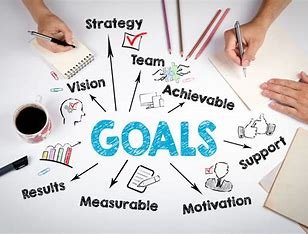
1. Define Your Goals
- Specific: Clearly define what you want to achieve. Specific goals provide clarity and direction.
- Measurable: Establish criteria for measuring progress. This helps you stay on track and recognize achievements.
- Achievable: Set realistic goals that are within your reach. While it’s good to challenge yourself, unattainable goals can lead to frustration.
- Relevant: Ensure your goals align with your values, aspirations, and long-term plans.
- Time-Bound: Set a deadline for your goals. This creates a sense of urgency and helps prioritize tasks.
2. Break Down Goals into Smaller Steps
- Actionable Steps: Divide your goals into smaller, manageable tasks. This makes the process less overwhelming and easier to tackle.
- Prioritize Tasks: Identify which tasks are most important and focus on those first.
- Create a Timeline: Develop a timeline for completing each step. This helps you stay organized and accountable.
3. Stay Motivated
- Visualize Success: Imagine the benefits of achieving your goals. Visualization can boost motivation and keep you focused.
- Reward Yourself: Celebrate milestones and achievements along the way. Rewards can be a great incentive to stay committed.
- Stay Positive: Maintain a positive attitude, even when facing challenges. A positive mindset can make a significant difference in your progress.
4. Monitor Progress
- Regular Check-Ins: Schedule regular check-ins to assess your progress. This helps you stay on track and make any necessary adjustments.
- Adjust Goals if Needed: Be flexible and willing to adjust your goals if circumstances change or if you encounter obstacles.
5. Overcome Obstacles
- Identify Challenges: Anticipate potential challenges and develop strategies to overcome them.
- Seek Support: Surround yourself with supportive people who can offer encouragement and advice.
- Stay Resilient: Persevere through setbacks and learn from them. Resilience is key to achieving long-term goals.
6. Reflect and Learn
- Review Achievements: Reflect on what you have accomplished and what worked well.
- Learn from Experience: Identify areas for improvement and apply these lessons to future goal setting.
Tools for Goal Setting
- Goal-Setting Apps: Use apps like Trello, Asana, or Habitica to organize and track your goals.
- Journaling: Keep a journal to document your goals, progress, and reflections.
- Vision Boards: Create a vision board with images and words that represent your goals and aspirations.
Examples of Goals:
- Career: “I will complete a professional certification course within the next six months to enhance my skills.”
- Health: “I will exercise for at least 30 minutes, five days a week, for the next three months.”
- Personal Development: “I will read one book per month to expand my knowledge and personal growth.”
- Financial: “I will save 20% of my monthly income for the next year to build an emergency fund.”