
Raising resilient kids is about equipping them with the skills and mindset to face life’s challenges with confidence and perseverance.
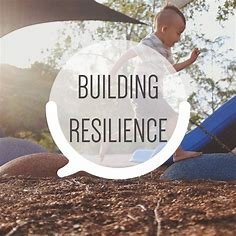
1. Encourage a Growth Mindset
- Praise Effort, Not Just Success: Emphasize the importance of hard work and persistence rather than just praising outcomes.
- Teach Problem-Solving Skills: Encourage your children to think creatively and come up with solutions to challenges they face.
2. Model Resilience
- Show How You Handle Stress: Demonstrate positive ways to cope with stress and setbacks in your own life.
- Share Your Experiences: Talk about times when you faced difficulties and how you overcame them.
3. Foster Strong Relationships
- Build a Supportive Network: Encourage your children to form strong bonds with family, friends, and mentors.
- Teach Empathy and Kindness: Help them understand and care for others’ feelings, which strengthens their own emotional resilience.
4. Promote Independence
- Allow Age-Appropriate Responsibilities: Give your children tasks and responsibilities that help them build confidence and self-reliance.
- Encourage Decision-Making: Let them make choices and learn from their experiences, both good and bad.
5. Teach Emotional Regulation
- Acknowledge Their Feelings: Let your children know it’s okay to feel sad, angry, or frustrated, and teach them healthy ways to express these emotions.
- Practice Mindfulness: Introduce mindfulness techniques, such as deep breathing or meditation, to help them manage stress.
6. Set Realistic Expectations
- Avoid Overprotection: While it’s natural to want to protect your children, it’s important to let them experience and navigate challenges.
- Encourage Perseverance: Teach them that it’s normal to fail and that perseverance is key to overcoming obstacles.
7. Cultivate Optimism
- Focus on Positives: Help your children see the silver lining in difficult situations and maintain a hopeful outlook.
- Gratitude Practices: Encourage them to regularly reflect on things they are grateful for.
8. Provide a Safe and Stable Environment
- Consistent Routines: Establish routines that provide a sense of security and predictability.
- Open Communication: Foster an environment where your children feel comfortable sharing their thoughts and concerns.
9. Encourage Healthy Risk-Taking
- Support New Experiences: Encourage your children to try new activities and step out of their comfort zones.
- Manage Fear of Failure: Help them understand that failure is a natural part of learning and growing.
10. Support Physical Health
- Healthy Lifestyle: Ensure they have a balanced diet, regular exercise, and adequate sleep, which are crucial for overall well-being.
- Limit Screen Time: Encourage activities that promote physical and mental health over excessive screen time.
By incorporating these tips, you can help your children develop the resilience they need to navigate life’s ups and downs. Remember, resilience is a lifelong skill that can be nurtured and strengthened over time.