
Transitioning your wardrobe from season to season can feel like a challenge, but with a few key strategies, you can maintain style and comfort year-round.
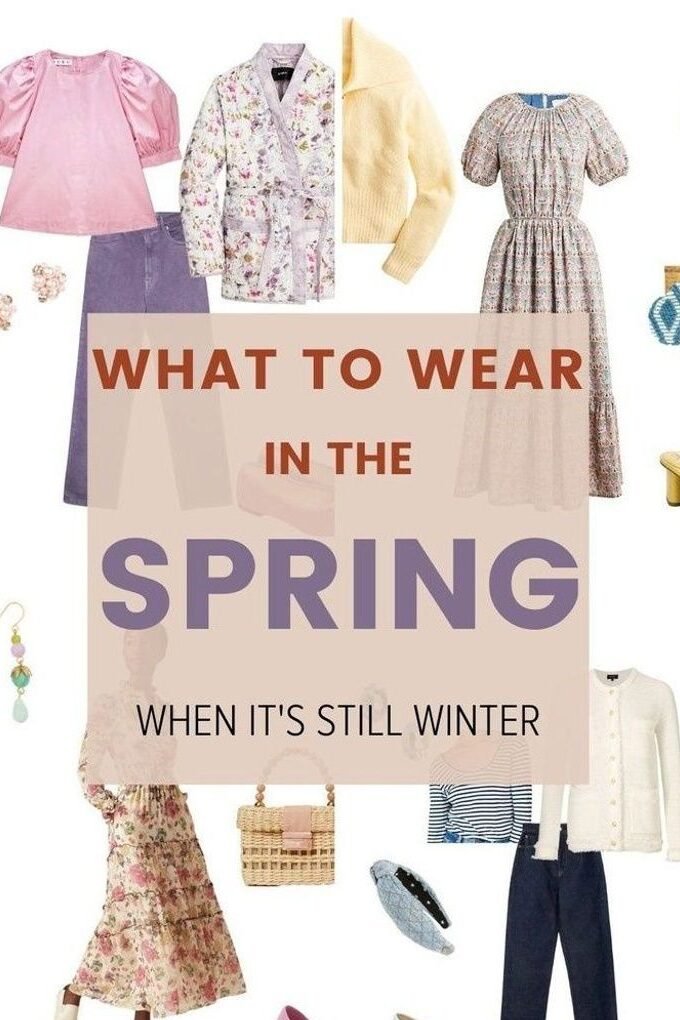
1. Layering is Key
- Light Layers: In the transition periods, layering is essential. Think of combining lighter pieces (like t-shirts, blouses, or button-down shirts) with heavier outerwear, such as a jacket or blazer.
- Versatile Cardigans and Sweaters: Layering cardigans, thin sweaters, or long-sleeve shirts under jackets can keep you warm in cooler months, but are easy to shed when temperatures rise.
- Lightweight Jackets: Trench coats, denim jackets, or leather jackets can be great pieces to layer during spring or fall and add a fashionable edge.
2. Adjust Fabrics for Comfort
- Spring/Summer: Swap out heavy winter fabrics (like wool) for breathable fabrics such as cotton, linen, or jersey. These are cooler for warmer weather but still provide comfort.
- Fall/Winter: As temperatures drop, transition to heavier fabrics such as wool, tweed, flannel, and thicker knits to stay warm and stylish.
3. Swap Seasonal Footwear
- Spring/Summer: Footwear should be breathable and lighter. Swap boots for sandals, espadrilles, loafers, or ballet flats. Open-toe shoes can be a staple.
- Fall/Winter: Swap sandals or open-toed shoes for boots (knee-high, ankle boots, or Chelsea boots) to keep your feet warm and dry. Opt for closed-toe shoes and sneakers that offer more coverage.
- Mid-Transition: Mules or slip-on shoes work well as they are versatile for both warmer and cooler days.
4. Incorporate Transitional Colors
- Spring/Summer: Opt for light, fresh colors like pastels, whites, and vibrant hues. These colors are reflective of warmer, sunnier months.
- Fall/Winter: Transition to richer, deeper tones like burgundy, olive green, mustard yellow, navy, or earthy browns. These colors match the mood of the cooler seasons.
- Neutral Palette: Neutral colors (beige, gray, black, and white) can transition seamlessly between seasons and be paired with seasonal accents.
5. Rework Your Dresses
- Spring/Summer: Pair dresses with sandals or flats and a light jacket or cardigan for the cooler evenings.
- Fall/Winter: Add tights or leggings underneath your dresses for warmth, and layer them with cardigans, blazers, or a heavier coat.
- Transitional Pieces: A sleeveless dress can be worn in spring and summer but paired with a long-sleeve shirt or sweater underneath when the weather cools.
6. Tidy Up and Store Off-Season Clothing
- Clear Out: As the season changes, clean out your wardrobe and store away out-of-season clothing in bins, under-bed storage, or garment bags to create space for pieces you’ll be wearing now.
- Rotate: Only keep the clothes that are relevant for the current season easily accessible. This will allow you to focus on your more appropriate pieces and avoid feeling overwhelmed by too many options.
7. Use Scarves, Hats, and Accessories
- Transitional Scarves: Scarves can help bridge the gap between seasons. Opt for lighter, airy scarves for spring and fall, and heavier, cozier scarves for winter.
- Hats: In fall and winter, wool or felt hat can be a great way to accessorize and keep warm, while in spring and summer, opt for lighter fabrics or wide-brimmed hats.
- Accessories: Swap out chunky, winter-focused accessories (like knitted hats or gloves) for lighter, more colorful items like silk scarves, leather gloves, and statement jewelry to brighten up your outfits.
8. Invest in Transitional Outerwear
- Spring/Fall: A lightweight trench coat, utility jacket, or denim jacket works well during this time of year. These are versatile pieces that can be dressed up or down.
- Winter: For colder months, a heavier wool coat, puffer jacket, or parka will be necessary. Consider layering with scarves and gloves for extra warmth.
9. Re-Style Your Staples
- Mix and Match: Take your favorite staples and rework them for the season. For example, wear a summer blouse with a cardigan or a jacket for cooler months, or style a pair of winter pants with a lightweight summer top.
- Add Layering Pieces: For colder months, use layering pieces like vests or sweaters to make warmer weather clothes functional during the chillier periods.
10. Embrace Transitional Fabrics
- T-Shirts and Blouses: During the transition, invest in long-sleeve shirts made from lightweight, breathable fabrics that can be worn alone in warmer weather or layered in cooler months.
- Knits: Choose medium-weight knits, which work in both cooler months and milder weather. A knitted sweater can be layered in the fall or worn alone in spring.
- Trousers and Jeans: Opt for denim or tailored pants in breathable, medium-weight fabric. Jeans work well year-round, but you can switch between lighter-weight jeans for summer and thicker denim for colder months.
11. Keep Essentials Versatile
- Items like plain white shirts, button-up blouses, neutral-colored cardigans, and classic denim jeans are perfect staples to keep in your wardrobe year-round. These basics can be easily mixed with more seasonal pieces to create versatile outfits.
12. Don’t Forget about Layers Underneath
- As the weather changes, base layers (like camisoles, thermal tops, or tights) can be essential in colder weather. Thin, long-sleeve layers can keep you warm in winter while being light enough to wear under summer pieces.