
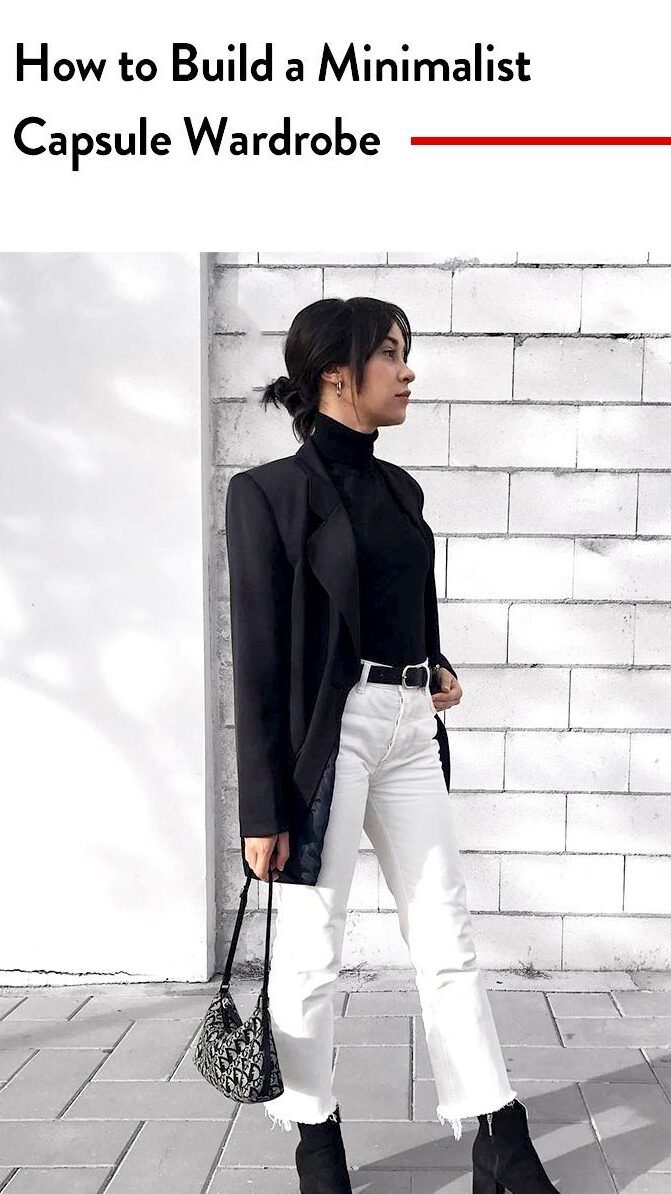
Building a minimalist wardrobe is about curating a collection of versatile, high-quality clothing that you truly love and wear often. The goal is to eliminate excess and focus on items that can be mixed and matched, making it easy to create a variety of outfits with fewer pieces. A minimalist wardrobe is not only about reducing clutter but also about embracing quality over quantity and investing in items that serve multiple purposes.
1. Define Your Personal Style and Lifestyle Needs
- Assess Your Daily Life: Think about your daily activities and the types of clothes you need. Consider your work environment, social life, and hobbies. A minimalist wardrobe should cater to your lifestyle, whether that’s casual, professional, or a mix of both.
- Actionable Step: Write down the activities you engage in most frequently (e.g., work, exercise, social events, lounging) to ensure your wardrobe reflects your needs.
- Identify Your Style: Define your personal style by looking at what you feel most comfortable in and what makes you feel confident. Are you drawn to classic pieces, a casual aesthetic, or something more polished?
- Actionable Step: Create a mood board on Pinterest or in a digital document, pulling together images of outfits or styles that resonate with you.
2. Choose a Color Palette
- Opt for Neutral Colors: A minimalist wardrobe relies heavily on neutral colors because they’re easy to mix and match. Focus on shades like black, white, gray, navy, beige, and earth tones.
- Add a Few Accent Colors: While neutrals should dominate your wardrobe, it’s okay to incorporate a few accent colors that align with your personal taste. These could be shades you wear often, like deep green, mustard, or burgundy.
- Actionable Step: Choose a primary color palette (e.g., black, white, navy) and add 2-3 secondary colors for variety and pops of interest. Keep accessories and statement pieces in your accent colors.
3. Invest in High-Quality Basics
A minimalist wardrobe is built on high-quality basics that will last longer and withstand frequent wear. Focus on durable, versatile items that can be dressed up or down.
- Essential Items for a Minimalist Wardrobe:
- Tops: Solid-colored t-shirts, button-down shirts, and a few sweaters.
- Bottoms: Tailored jeans or trousers, a pair of leggings or joggers, and a versatile skirt.
- Outerwear: A classic blazer, a lightweight jacket, and a more substantial winter coat (depending on your climate).
- Shoes: Comfortable, classic shoes that can go with multiple outfits—think sneakers, ankle boots, or simple loafers.
- Accessories: A few well-chosen accessories like a scarf, a simple belt, and a structured bag.
- Actionable Step: Build your core wardrobe with timeless pieces. These items should be versatile enough to combine in different ways and appropriate for various occasions.
4. Simplify Your Wardrobe by Decluttering
The process of simplifying your wardrobe starts with decluttering. Remove any pieces you no longer wear, that don’t fit, or that no longer align with your style.
- Sort Through Your Clothes: Take everything out of your closet and evaluate each item. Ask yourself if it fits well, if it serves a purpose, and if it makes you feel good when you wear it.
- Follow the 80/20 Rule: Most people wear only about 20% of their wardrobe 80% of the time. Focus on keeping the 20% you wear regularly and love.
- Actionable Step: Create three piles: Keep, Donate, and Discard. Be honest with yourself about what you truly wear and love. Let go of items that are no longer serving you.
5. Focus on Versatility and Functionality
Each item in a minimalist wardrobe should serve multiple functions and be versatile enough to pair with different pieces. The goal is to create outfits that can be mixed and matched easily.
- Mix and Match: Choose pieces that can be paired together in various combinations, such as a black t-shirt that can be worn with both jeans and skirts or a versatile blazer that can dress up casual outfits.
- Consider Layering: Layering is key in minimalist wardrobes because it allows you to create new outfits using a smaller number of pieces. Opt for lightweight, flexible layers that can be worn in different ways.
- Actionable Step: Plan several outfits by mixing and matching the items you have. This will help you assess the versatility of each piece in your wardrobe.
6. Limit Trendy Pieces
While it’s fun to incorporate the latest trends, minimalist wardrobes typically focus on timeless pieces that won’t quickly go out of style. Trendy pieces often have a short lifespan, and including too many can contribute to clutter and waste.
- Choose Trends Carefully: If you do want to incorporate trends, select a few that align with your personal style and that you can wear for more than one season. Try to keep trendier pieces limited to accessories (e.g., handbags, scarves, or shoes) rather than clothing.
- Actionable Step: Limit your trendy purchases to one or two items per season, and make sure they blend well with your core wardrobe. Focus on versatile pieces that will transition well over time.
7. Incorporate a Seasonal Strategy
A minimalist wardrobe doesn’t have to be static; it can evolve with the seasons. You may choose to store certain pieces or swap out heavier items in the warmer months.
- Seasonal Rotation: In the summer, you may prioritize lighter fabrics, while in winter, you’ll want heavier outerwear and warm layers. Keep your wardrobe seasonal but always versatile.
- Pack Away Off-Season Clothes: If you live in a place with significant seasonal changes, pack away items you’re not currently wearing. This reduces clutter and makes it easier to see the items that are in rotation.
- Actionable Step: Rotate your wardrobe seasonally, and make sure you have a small selection of clothing for each season that works well together.
8. Invest in Timeless, Durable Fabrics
Quality fabrics last longer and tend to be more sustainable in the long run. When building a minimalist wardrobe, focus on fabrics that are both durable and breathable, such as cotton, wool, linen, silk, and high-quality synthetics.
- Durable Fabrics: Look for fabrics that are made to last. Avoid fast-fashion pieces made from flimsy, synthetic materials that wear out quickly.
- Natural Fibers: Fabrics like organic cotton, hemp, and bamboo are great sustainable choices for minimalist wardrobes because they are both eco-friendly and long-lasting.
- Actionable Step: Choose well-made garments crafted from high-quality, natural fibers. Check labels for material information to ensure your clothes are durable and sustainable.
9. Build a Wardrobe that Works for Multiple Occasions
A minimalist wardrobe should be functional for a variety of situations, whether you’re at work, attending a casual outing, or dressing up for a special occasion. Aim for clothing that can be dressed up or down depending on the context.
- Dual-Purpose Pieces: A simple dress can be worn to work with a blazer or dressed down for the weekend with sneakers. A button-down shirt can be worn in both professional and casual settings.
- Actionable Step: Choose pieces that can transition easily from day to night, or from work to weekend, with just a few accessory changes or layering adjustments.
10. Embrace the “One In, One Out” Rule
Once you’ve built a minimalist wardrobe, it’s important to maintain it. A good rule of thumb is to embrace the “one in, one out” rule: For every new item you purchase, get rid of one.
- Mindful Consumption: This will help you avoid accumulating unnecessary pieces and keep your wardrobe intentional and curated.
- Actionable Step: Before making any new purchases, review your current wardrobe and ensure you’re only adding items that fill a gap or replace something worn out.
* Conclusion *
Building a minimalist wardrobe is a process that requires thoughtful consideration and an intentional approach to clothing. By focusing on versatility, quality, and timeless pieces that suit your lifestyle, you can create a wardrobe that’s not only stylish but also functional, sustainable, and easy to maintain. The ultimate goal is to reduce clutter and avoid unnecessary purchases, leading to a more mindful and fulfilling way of dressing. With a minimalist wardrobe, you’ll spend less time deciding what to wear and more time enjoying the pieces that truly represent your personal style.