
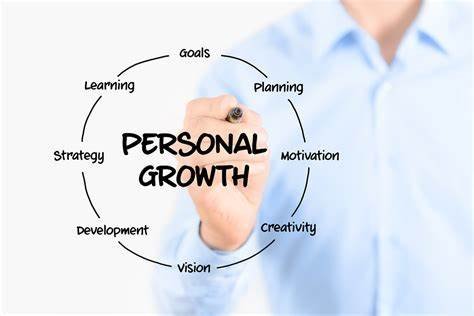
Personal growth and self-improvement are lifelong journeys that involve developing skills, nurturing positive habits, and fostering a mindset of continuous learning.
Mindset and Attitude
- Growth Mindset: Embrace a growth mindset by believing that your abilities and intelligence can be developed through dedication and hard work. This fosters resilience and a love for learning.
- Positive Thinking: Cultivate a positive outlook on life. Practice gratitude, focus on solutions rather than problems, and surround yourself with positive influences.
Emotional and Mental Well-Being
- Self-Awareness: Reflect on your thoughts, feelings, and behaviors to understand yourself better. Journaling and mindfulness practices can help.
- Emotional Intelligence: Develop your ability to recognize, understand, and manage your emotions and those of others. This can improve your relationships and decision-making.
- Stress Management: Learn techniques to manage stress, such as meditation, deep breathing exercises, and physical activity.
Skills and Knowledge
- Continuous Learning: Commit to lifelong learning by taking up new courses, reading books, attending workshops, and staying curious about the world.
- Time Management: Improve your productivity by setting clear goals, prioritizing tasks, and avoiding procrastination.
Health and Wellness
- Healthy Lifestyle: Maintain a balanced diet, exercise regularly, and get enough sleep. Physical health is foundational to overall well-being.
- Mind-Body Connection: Explore practices like yoga, tai chi, or qigong that integrate physical activity with mental focus and relaxation.
Personal Relationships
- Effective Communication: Work on your communication skills, including active listening, empathy, and assertiveness.
- Building Connections: Invest time in building and maintaining meaningful relationships with family, friends, and colleagues.
Setting and Achieving Goals
- SMART Goals: Set goals that are Specific, Measurable, Achievable, Relevant, and Time-bound. Break them down into smaller, manageable steps.
- Accountability: Find an accountability partner or use tools like planners and apps to track your progress and stay motivated.
Example Daily Routine for Personal Growth
- Morning: Start with a meditation session or some form of mindfulness practice to set a positive tone for the day. Follow with a healthy breakfast.
- Mid-Morning: Dedicate time to learning something new, whether through reading, online courses, or podcasts.
- Afternoon: Engage in physical activity, such as a workout or a walk, to keep your body active and energized.
- Evening: Reflect on your day by journaling or having a quiet moment of self-reflection. Set your intentions for the next day.
- Night: Wind down with a relaxing activity, such as reading or practicing gratitude, to ensure a restful sleep.
* Conclusion *
Personal growth and self-improvement are dynamic, lifelong processes. A holistic approach to growth recognizes the interconnection of the mind, body, and spirit, creating a more balanced and sustainable path toward achieving your fullest potential. By nurturing each aspect of your being—mental, emotional, physical, and spiritual—you can cultivate a sense of fulfillment, resilience, and purpose. Whether through developing new skills, cultivating emotional intelligence, or embracing self-care, personal growth is about evolving into the best version of yourself, step by step.