
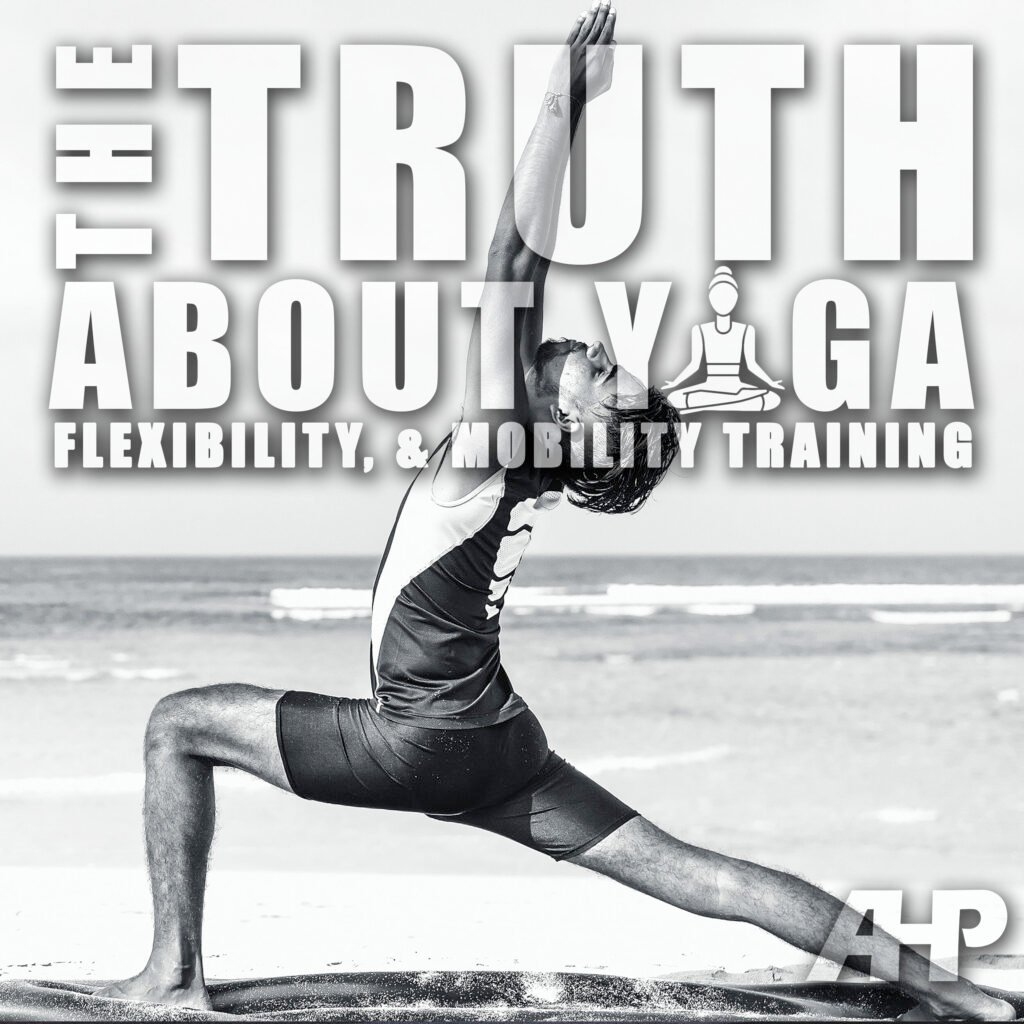
Yoga and flexibility training offer numerous physical, mental, and emotional benefits that contribute to overall health and well-being. These practices, while sometimes viewed separately, share many principles, and often complement each other, creating a holistic approach to health.

1. Improved Flexibility
- Stretching and Range of Motion: Flexibility training, which includes practices like yoga, involves stretching muscles and tendons to increase the range of motion in the joints. Increased flexibility can help prevent injuries by improving joint mobility and ensuring proper alignment during physical activities.
- Joint Health: As flexibility improves, the joints benefit from greater mobility and fluid movement, reducing the risk of joint stiffness and conditions like arthritis. Regular stretching also helps lubricate the joints, which can improve long-term joint health.
2. Enhanced Posture and Alignment
- Posture Correction: Yoga emphasizes body alignment and teaches awareness of posture in both static poses and dynamic movements. Many yoga poses strengthen the muscles that support good posture, including the core, back, and shoulders. Improved posture can reduce the strain on muscles and joints, preventing discomfort and long-term damage.
- Realigning the Spine: Flexibility exercises, particularly those targeting the spine and back, can help counteract the effects of prolonged sitting or poor posture, which are common in modern life. Yoga postures such as cat-cow, downward dog, and child’s pose encourage spinal alignment and can reduce back pain.
3. Muscle Strengthening
- Building Core and Overall Strength: While yoga and flexibility training focus on lengthening muscles, they also help to build strength, especially in the core, legs, arms, and back. Poses like plank, warrior, and boat require muscle engagement that builds functional strength over time.
- Balance Between Flexibility and Strength: Flexibility training isn’t just about lengthening muscles—it’s also about finding the balance between flexibility and strength. Yoga helps to build this balance, preventing overstretching and ensuring that muscles are strong enough to support increased flexibility.
4. Stress Relief and Mental Clarity
- Mindfulness and Breathing: Yoga incorporates deep, mindful breathing (pranayama) alongside physical movement, which helps to reduce stress and anxiety. The focus on breath and movement creates a meditative experience, calming the nervous system and promoting relaxation.
- Reduction in Cortisol Levels: Regular yoga practice has been shown to reduce cortisol (the stress hormone) levels, improving mental clarity and emotional resilience. Flexibility training, especially in the context of yoga, can promote relaxation and a feeling of mental ease.
5. Increased Blood Circulation and Oxygen Flow
- Improved Circulation: The stretching and movement involved in yoga and flexibility exercises help increase blood circulation throughout the body, delivering oxygen and nutrients to muscles and tissues. This can promote healing, reduce inflammation, and boost energy levels.
- Detoxification: Yoga encourages the flow of lymphatic fluid, which helps flush out toxins from the body. Certain poses, such as twists, promote detoxification by stimulating the internal organs and encouraging the movement of lymph fluid.
6. Pain Relief and Injury Prevention
- Reducing Muscle Tension: Flexibility training, particularly through yoga, can release built-up tension in the muscles, which is often a cause of pain, particularly in the neck, shoulders, and lower back. By improving flexibility, muscles can relax and lengthen, helping to reduce chronic pain.
- Injury Prevention: Improved flexibility and muscle balance are essential in preventing injuries. Flexible muscles are less likely to become strained or torn during physical activity. Yoga encourages mindful movement, helping practitioners avoid overextending or injuring themselves.
7. Better Mental Health and Emotional Balance
- Mood Enhancement: Both yoga and flexibility training have been linked to improved mood and emotional well-being. The combination of physical movement, breathwork, and mindfulness can reduce symptoms of depression and anxiety by promoting a positive mindset and emotional release.
- Stress and Anxiety Management: Yoga has been shown to reduce symptoms of anxiety and stress. The focus on slow, intentional breathing in yoga can help slow the heart rate, calm the mind, and provide relief from nervous tension, making it a valuable tool for those dealing with stress.
8. Increased Body Awareness and Mind-Body Connection
- Mindfulness in Movement: Yoga encourages deep awareness of the body and its movements. This mindfulness enhances the mind-body connection, allowing individuals to become more attuned to how they move, breathe, and feel in their bodies. This heightened awareness can improve daily movement patterns and promote more mindful choices in lifestyle.
- Emotional Release: Certain yoga poses and flexibility exercises can facilitate the release of pent-up emotions stored in the body. The process of stretching, breathing, and focusing on the body can allow emotions to surface, providing emotional clarity and a sense of release.
9. Improved Balance and Coordination
- Balance Poses: Yoga poses such as tree pose, warrior III, and half moon challenge balance and coordination. Practicing balance enhances proprioception, which is the body’s ability to sense its position in space. Improved balance reduces the risk of falls and injuries, particularly as people age.
- Coordination: Yoga and flexibility training require coordination between the body and the mind. This coordination can transfer to everyday movements, improving dexterity, coordination, and overall motor skills.
10. Enhanced Sleep Quality
- Better Sleep Patterns: Regular yoga practice can contribute to better sleep by calming the nervous system and reducing physical tension. Poses that promote relaxation, such as legs up the wall, reclining bound angle, and corpse pose, help to prepare the body for rest.
- Sleep-Related Stress Relief: The calming effects of yoga can reduce mental restlessness, which is often a barrier to a good night’s sleep. By managing stress, reducing anxiety, and promoting relaxation, yoga can help improve the quality and duration of sleep.
11. Weight Management and Metabolism Boost
- Calorie Burn and Toning: While yoga is not typically associated with high-intensity workouts, certain styles, such as Vinyasa or Ashtanga, involve continuous movement that burns calories and tones muscles. Flexibility training, in the context of yoga, can also increase metabolism by stimulating internal organs and supporting proper digestion.
- Mindful Eating: Yoga encourages mindfulness not just in movement but in all aspects of life, including eating. By developing greater self-awareness through yoga, individuals may develop healthier eating habits and a more balanced approach to food, supporting weight management.
12. Holistic Approach to Well-Being
- Physical, Mental, and Spiritual Health: Yoga provides a comprehensive approach to well-being, addressing not only physical flexibility but also mental clarity, emotional balance, and spiritual growth. This holistic approach allows individuals to feel more integrated, balanced, and connected to their overall health.
- Community and Support: Many yoga practices take place in group settings, which can foster a sense of community and social support. Being part of a yoga community provides emotional encouragement and strengthens social bonds, which can improve overall happiness and well-being.
* Conclusion *
Yoga and flexibility training provide a wide range of benefits that extend far beyond just physical flexibility. From improved posture and muscle strength to enhanced mental health and emotional balance, these practices offer a comprehensive approach to overall well-being. By incorporating yoga and flexibility exercises into daily life, individuals can experience better physical health, stress relief, pain management, and emotional clarity, contributing to a more balanced and harmonious lifestyle. Whether you’re looking to increase flexibility, reduce stress, or improve your mental state, these practices can play a key role in fostering long-term wellness.