
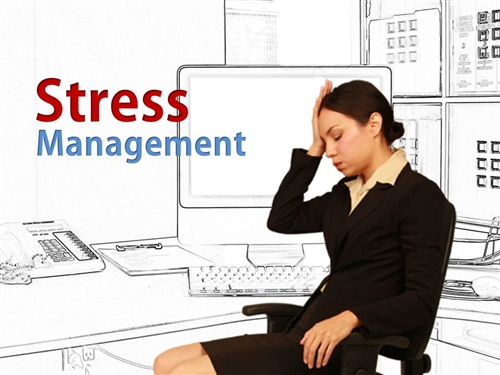
Managing stress in a busy life is essential for maintaining both mental and physical well-being. With the demands of work, family, and other responsibilities, it can be easy to feel overwhelmed. However, integrating practical and mindful strategies into your routine can help you navigate stress effectively.
1. Prioritize and Organize
- Make Lists: Write down your tasks to gain clarity on what needs to be done. Prioritizing them by importance can help reduce the feeling of being overwhelmed.
- Break Tasks into Smaller Steps: Large projects can seem daunting. Breaking them into smaller, manageable tasks makes them feel more achievable.
- Set Realistic Goals: Be realistic about what you can accomplish in a day. Setting achievable goals and accepting that you can’t do everything at once can prevent burnout.
- Learn to Say No: Recognizing your limits is crucial. Saying no to additional commitments when you’re stretched thin can help prevent further stress.
2. Practice Mindfulness
- Mindful Breathing: Taking a few minutes throughout the day to focus on deep, slow breaths can help calm your mind and reduce stress. The simple act of focusing on your breath can lower your heart rate and relax your body.
- Stay Present: Focus on the task at hand instead of worrying about past or future events. Mindfulness techniques such as paying attention to your senses or engaging in deep listening can help you stay grounded in the present moment.
- Meditation: Even a few minutes of meditation can significantly reduce stress. Use apps or guided sessions if you’re new to meditation. Regular practice can train your mind to stay calm and focused, even during stressful times.
3. Physical Activity
- Exercise Regularly: Physical activity, whether it’s walking, yoga, cycling, or strength training, is a powerful stress reliever. Exercise releases endorphins (the body’s natural stress relievers) and helps improve mood.
- Stretching: Even if you don’t have time for a full workout, short sessions of stretching throughout the day can relieve tension, especially if you’re sitting for long periods.
- Go Outdoors: Spending time in nature or simply taking a walk outdoors can help clear your mind and reduce stress levels. The combination of fresh air and movement is therapeutic for both the body and mind.
4. Sleep and Rest
- Get Enough Sleep: Stress can be exacerbated by sleep deprivation. Aim for 7-9 hours of quality sleep each night. Establish a bedtime routine to help signal your body that it’s time to unwind.
- Power Naps: If you’re feeling particularly stressed or fatigued, a short nap (10-20 minutes) can recharge your energy levels and improve focus.
- Create a Restful Environment: Keep your bedroom cool, quiet, and dark, and avoid electronic devices before bedtime. This helps improve the quality of your sleep and reduces stress.
5. Healthy Nutrition
- Eat Stress-Relieving Foods: A balanced diet can help manage stress. Foods rich in omega-3s (like salmon and walnuts), magnesium (such as spinach and almonds), and vitamin C (found in citrus fruits and bell peppers) can support a healthy response to stress.
- Avoid Excessive Caffeine and Sugar: While caffeine may provide a temporary boost, too much can increase anxiety and disrupt sleep. Similarly, high sugar intake can lead to energy crashes and mood swings.
- Stay Hydrated: Dehydration can contribute to stress and fatigue. Drinking plenty of water throughout the day helps keep both your body and mind functioning optimally.
6. Engage in Relaxation Techniques
- Progressive Muscle Relaxation (PMR): This technique involves tensing and then relaxing different muscle groups in the body. It helps release physical tension and promotes relaxation.
- Visualization: Close your eyes and imagine a peaceful scene, such as a beach or a quiet forest. Visualization can help transport you mentally to a calm place, reducing stress and promoting relaxation.
- Aromatherapy: Essential oils like lavender, chamomile, or eucalyptus can have calming effects. Using a diffuser or applying diluted oils to your skin can help alleviate stress and anxiety.
7. Maintain Social Connections
- Talk to Someone: Sharing your thoughts and feelings with a friend, family member, or therapist can help release pent-up stress. Social support is a key factor in managing stress effectively.
- Limit Toxic Relationships: Be mindful of the people you spend time with. Negative or demanding individuals can increase stress levels. Surround yourself with supportive, uplifting people who help you maintain a positive mindset.
- Schedule Social Time: Even with a busy schedule, make time for socializing or engaging in enjoyable activities with others. It provides an emotional boost and strengthens your sense of connection.
8. Time Management
- Delegate When Possible: Share responsibilities with others at work or home to lighten your load. Delegating tasks not only reduces stress but also allows you to focus on what matters most.
- Time Blocking: Set aside specific blocks of time for focused work, relaxation, meals, and social activities. This helps create structure and prevents the feeling of being pulled in many directions at once.
- Avoid Multitasking: While multitasking might seem efficient, it often leads to more stress and mistakes. Focus on completing one task at a time to improve productivity and reduce mental clutter.
9. Set Boundaries and Practice Self-Care
- Protect Your Time: Set clear boundaries with work, family, and social commitments. Communicate when you need time for yourself and stick to those boundaries to avoid overwhelm.
- Practice Self-Compassion: Be kind to yourself when things get busy. Recognize that you’re doing your best, and give yourself permission to take breaks or seek support when needed.
- Engage in Hobbies: Spend time doing things that bring you joy, whether it’s reading, painting, gardening, or anything else that helps you relax and recharge.
10. Seek Professional Help if Needed
- Talk to a Therapist: If stress becomes chronic or overwhelming, seeking professional help from a counselor or therapist can provide valuable strategies and emotional support.
- Consider Stress Management Programs: Many workplaces offer stress management workshops or Employee Assistance Programs (EAPs) that provide resources for managing stress more effectively.
* Conclusion *
Managing stress in a busy life requires intentional effort and self-awareness. By adopting some of these tips—whether it’s prioritizing tasks, practicing mindfulness, staying active, or seeking support—you can reduce the negative impact of stress and maintain a healthier, more balanced lifestyle.
NOTE: –
Remember that small changes can make a big difference, and integrating these strategies into your daily routine can help you feel more in control and resilient, even during the busiest times.