
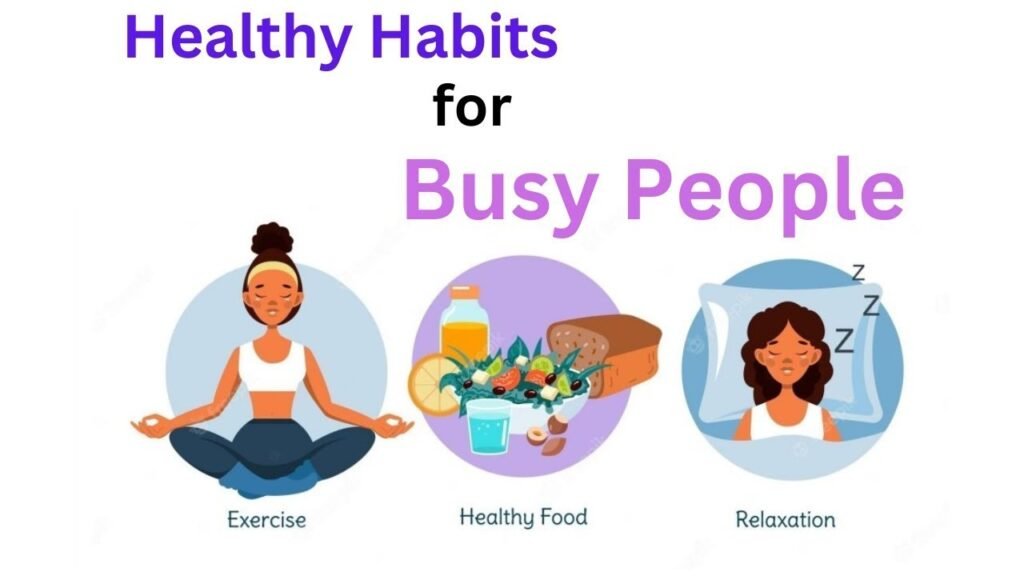
Healthy eating can be a challenge for busy individuals, especially in fast-paced environments like India, where hectic schedules, fast food culture, and time constraints often lead to unhealthy food choices. However, with some planning, preparation, and smart choices, you can maintain a balanced and nutritious diet even with a busy lifestyle.
1. Plan Your Meals Ahead
- Why: Meal planning saves time, reduces stress, and helps you make better food choices.
- Action:
- Set aside time once a week to plan your meals and create a grocery list.
- Focus on simple, balanced meals with protein, fiber, and healthy fats.
- Include traditional Indian foods like dal, sabzi, roti, and rice in your meal plan.
2. Prep Your Meals in Advance
- Why: Prepping meals in advance can save time during the week and help avoid unhealthy snacking or ordering takeout.
- Action:
- Cook in bulk and store portions for the next few days. For example, make large batches of dal, curry, or rice and refrigerate or freeze them.
- Chop vegetables in advance and store them in the fridge to quickly toss into salads, stir-fries, or soups.
- Prepare snacks like fruit, nuts, or boiled eggs in advance for on-the-go consumption.
3. Opt for Balanced, Whole Foods
- Why: Whole foods are more nutritious and keep you fuller for longer, reducing the temptation to snack on unhealthy foods.
- Action:
- Include a variety of foods in your meals such as vegetables, fruits, whole grains (like brown rice, quinoa, or whole wheat), lean protein (like chicken, fish, paneer, or legumes), and healthy fats (like ghee, nuts, and seeds).
- Opt for home-cooked food instead of processed and packaged options.
- For snacks, choose options like fruits, nuts, yogurt, and roasted chana over fried or sugary snacks.
4. Stay Hydrated
- Why: Dehydration can cause fatigue, headaches, and cravings for unhealthy foods.
- Action:
- Drink plenty of water throughout the day. Aiming for 8-10 glasses of water is a good target.
- Include hydrating beverages like coconut water, herbal teas, or fresh fruit juices (without added sugar) to stay refreshed.
- Keep a water bottle with you at all times to remind yourself to drink water.
5. Avoid Skipping Meals
- Why: Skipping meals can lead to overeating later in the day, causing unhealthy food choices and disrupting metabolism.
- Action:
- Even on busy days, make sure to have a healthy breakfast, lunch, and dinner.
- If you’re short on time, have quick, nutritious meals like smoothies, overnight oats, or fruit with nuts in the morning.
- Carry snacks like fruits, nuts, or yogurt if you’re unable to have a full meal.
6. Mindful Eating
- Why: Eating mindfully helps prevent overeating and improves digestion.
- Action:
- Eat without distractions like your phone or television to focus on the food and enjoy each bite.
- Chew your food slowly and savor the flavors to feel more satisfied with less food.
- Portion your meals to avoid overeating, especially when eating out or ordering food.
7. Incorporate Indian Superfoods
- Why: Indian cuisine is rich in ingredients that offer a variety of health benefits, including antioxidants, fiber, and essential nutrients.
- Action:
- Moringa (Drumstick leaves): Known for its nutrient-dense profile, add moringa leaves to dals or soups.
- Fenugreek (Methi): Use fenugreek in parathas, curries, or as a herbal tea to improve digestion and control blood sugar levels.
- Turmeric (Haldi): Include turmeric in your curries, soups, or teas for its anti-inflammatory properties.
- Amla (Indian Gooseberry): Amla is rich in Vitamin C; consume it as a chutney, juice, or in powdered form for immunity.
- Chia Seeds & Flaxseeds: Add these to smoothies, cereals, or salads for a boost of Omega-3s and fiber.
8. Healthy Snacking
- Why: Snacking can be a source of hidden calories and unhealthy ingredients if not chosen wisely.
- Action:
- Choose snacks like roasted nuts, seeds, yogurt with fruit, or vegetable sticks with hummus.
- Opt for whole fruits (like apples, bananas, papaya, or guava) instead of processed snacks.
- Avoid sugary or oily snacks like biscuits, chips, or deep-fried food.
9. Smart Choices When Eating Out
- Why: Eating out or ordering takeout is common in busy lifestyles, but restaurant food often contains hidden sugars, fats, and salt.
- Action:
- Choose healthier options like grilled rather than fried items, whole grains over refined grains, and salads or vegetable-based dishes.
- Ask for dressings or sauces on the side to control how much you consume.
- Stick to smaller portion sizes, and avoid overeating by sharing dishes or taking leftovers home.
10. Incorporate Fibre-Rich Foods
- Why: Fiber aids digestion, helps maintain a healthy weight and keeps you full for longer.
- Action:
- Include lentils, beans, vegetables (like spinach, carrots, or cauliflower), whole grains, and fruits (like apples, pears, and guavas) in your meals.
- Add fiber-rich ingredients like chia seeds, flaxseeds, or psyllium husk (Isabgol) to your smoothies or yogurt for a fiber boost.
11. Limit Processed and Junk Foods
- Why: Processed and junk foods often contain unhealthy fats, sugars, and preservatives that can harm health over time.
- Action:
- Reduce intake of packaged snacks, sugary beverages, and processed meats (like sausages or cold cuts).
- Instead of reaching for packaged chips or cookies, prepare homemade snacks like roasted chickpeas or nuts.
12. Maintain Consistency
- Why: Consistency is key to maintaining healthy eating habits, even with a busy schedule.
- Action:
- Establish a routine for meal times and try to stick to it as much as possible, even when your schedule gets hectic.
- Consistently prioritize nutritious meals over convenience foods, even when you’re busy.
* Conclusion *
For busy Indians, healthy eating habits revolve around planning, preparing, and making smart food choices even when time is limited. By making small, sustainable changes to daily eating routines, such as meal prepping, choosing whole foods, staying hydrated, and avoiding processed foods, you can maintain a balanced and nourishing diet despite a hectic lifestyle. It’s all about consistency and finding ways to integrate healthy habits into your busy day.